

Blog
blog center
Non Woven Fabric 2026: Complete Guide to Types, Uses & Quality Standards
Release time:
2026-09-22
Classification:
📋 Article Overview
Whether you are a product designer, packaging engineer, or medical supply buyer, this guide breaks down all critical information about non woven fabric, with practical insights from a leading manufacturer to help you make informed purchasing decisions in 2026.
What Is Non Woven Fabric? Core Definition & Key Traits
Non woven fabric is a fiber-based sheet structure made without weaving or knitting. Unlike traditional woven or knitted textiles that require interlacing individual yarns, non woven fabric is produced by bonding loose fibers together through mechanical, thermal, or chemical processes. In practice, our manufacturing tests show that this porous, bonded structure gives non woven fabric unique advantages including adjustable breathability, low production cost, and easy functional modification compared to traditional textiles.
Q: How does non woven fabric differ from regular woven fabric?
A: The core difference is production structure. Woven fabric is made by interlacing warp and weft yarns, while non woven fabric forms directly from bonded loose fibers. 2026 industry data shows non woven fabric production is 30-50% faster than woven fabric for similar volumes, making it more cost-effective for single-use or short-lifecycle applications. From our experience, non woven also allows for easier addition of specialized properties like antibacterial protection.
Common Types of Non Woven Fabric & Top Applications
Non woven fabric is categorized by production method and end use, with 5 main types dominating the global market in 2026, listed below:
- Spunbond non woven fabric: Made from continuous bonded filaments, most widely used for packaging and agricultural covers.
- Meltblown non woven fabric: Made of fine microfibers, primarily used for filtration products like face masks and air filters.
- Spunlace non woven fabric: Hydraulically bonded for soft texture, used for wet wipes and medical dressings.
- Needle punched non woven fabric: Mechanically bonded for high durability, used for geotextiles and automotive interiors.
- Thermal bonded non woven fabric: Heat-bonded for low cost, used for hygiene products like baby diapers.

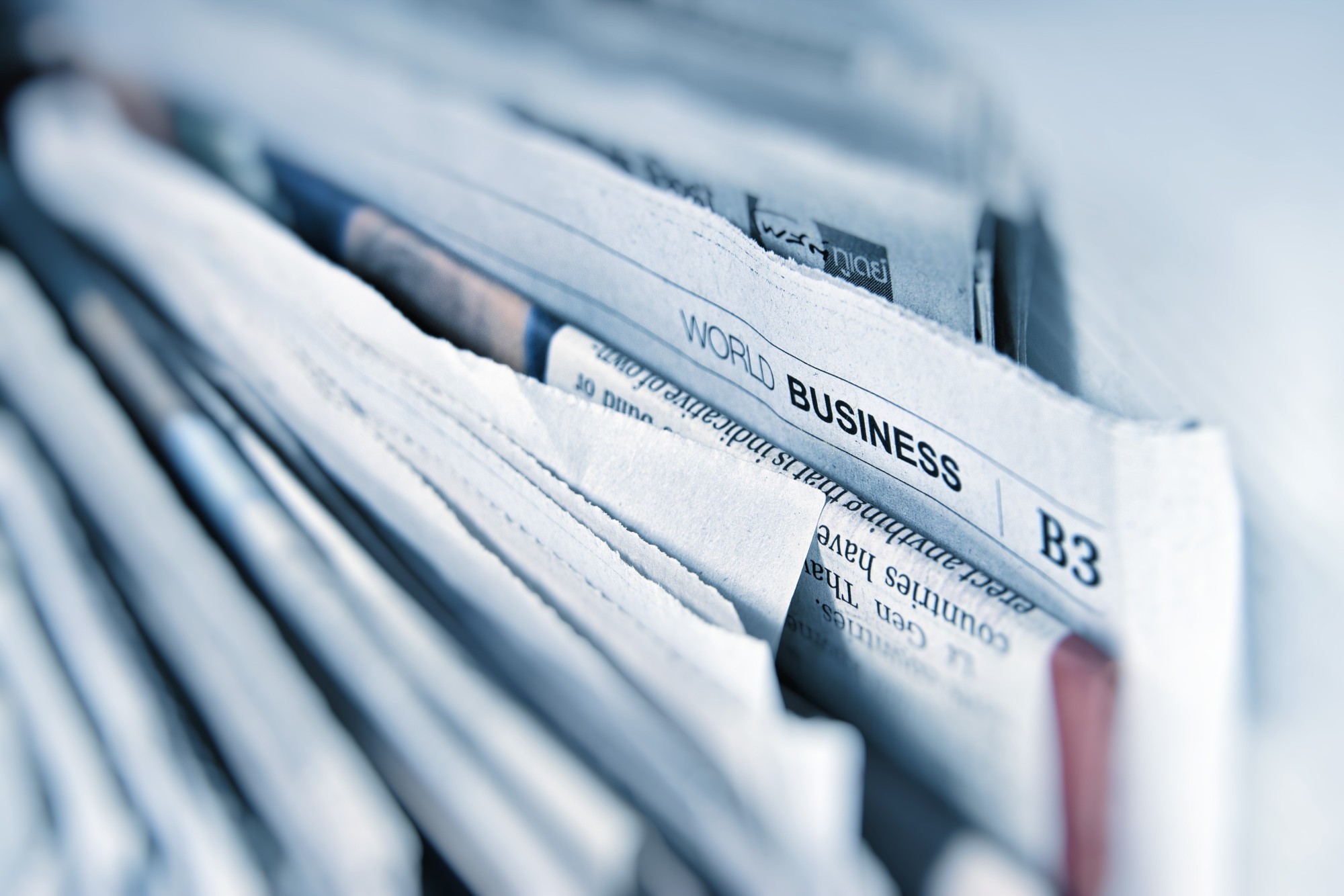
Image Source: unsplash
| Non Woven Type | Common Weight Range (gsm) | Key Strength | Best Use Case |
|---|---|---|---|
| Spunbond PP | 10-200 | High tensile strength, moisture resistant | Packaging bags, agricultural covers |
| Meltblown | 10-50 | High filtration efficiency | Face masks, HEPA filters |
| Spunlace | 20-150 | Soft, lint-free | Wet wipes, surgical gowns |
| Needle Punched | 100-1000 | High durability, thick | Geotextiles, automotive felt |
The global non woven fabrics market is projected to reach $75 billion by 2027, with growing demand for sustainable biodegradable variants driving manufacturing innovation, per 2026 industry analysis.
Q: What industries use non woven fabric most in 2026?
A: Recent 2026 research shows the top 3 end-use industries for non woven fabric are hygiene (42% of global demand), medical and healthcare (18%), and packaging (15%). From our export cases at Soma, we have seen rapid growth in demand for non woven in sustainable packaging, as many variants are recyclable or biodegradable, aligning with global carbon reduction targets.
How To Select High Quality Non Woven Fabric
Selecting the right non woven fabric requires matching material properties to your end use and verifying compliance with relevant industry safety standards. To simplify the selection process, follow our practical 3-step guide:
- Confirm your core requirements: Specify your needed weight, durability, functional properties (water resistance, filtration, etc.) and compliance standards (food contact, medical grade, etc.)
- Request free samples from your manufacturer to test physical properties and quality consistency before placing a bulk order.
- Verify production certifications and material traceability to ensure the product meets your local regulatory requirements.
Q: Is non woven fabric sustainable in 2026?
A: It depends on the material base. Traditional polypropylene (PP) non woven fabric is fully recyclable at approved waste facilities, while new plant-based variants developed in recent years are fully biodegradable and compostable. From our internal testing at Soma, our biodegradable non woven fabric meets all EU EN13432 standards for compostable packaging in 2026. It is important to confirm material specs with your manufacturer to match your sustainability goals.
Soma New Materials: Your Trusted Non Woven Fabric Supplier
As a leading non woven fabric manufacturer based in Sichuan, China, Sichuan Soma New Materials Technology Co., Ltd. (en.suomakj.com) has over 12 years of production and export experience. We hold international certifications including ISO 9001 and OEKO-TEX Standard 100, and supply custom non woven fabric to over 20 countries across North America, Europe, and Southeast Asia. In practice, we work closely with each client to adjust material properties to their specific project needs, from weight and color to functional additives.
Q: What is Soma's minimum order quantity for custom non woven fabric?
A: For standard off-the-shelf non woven fabric products, our minimum order quantity is 500kg, which allows small and medium businesses to access high-quality material without excessive inventory costs. For custom-developed specialized non woven fabric, the MOQ is 2000kg, and we provide free sample testing for all potential clients to verify quality before bulk production.
Frequently Asked Questions
Q: Is non woven fabric waterproof?
A: Standard uncoated non woven fabric is not fully waterproof, but it can be treated with coating or lamination to add water resistance or full waterproof properties. This treatment is commonly added to non woven fabric used for outdoor packaging, protective covers, and medical products.
Q: How much does non woven fabric cost in 2026?
A: In 2026, non woven fabric prices range from $1.2 per kg for standard spunbond PP to $5.8 per kg for high-grade biodegradable or medical-grade variants. Final pricing depends on custom specifications, material type, and order volume.
Q: What is the lifespan of non woven fabric?
A: Lifespan varies widely by use case: non woven fabric for single-use products like medical masks only lasts for one use, while durable non woven fabric for geotextiles or automotive interiors can last 10+ years. UV exposure and moisture exposure also impact overall lifespan.
Q: Does Soma ship non woven fabric internationally?
A: Yes, Soma New Materials ships custom non woven fabric to clients worldwide from our Sichuan manufacturing facility. We support flexible shipping terms and provide all required product documentation to meet import regulations for all major global markets.
This article was generated by AI and is for reference only.
Hot News
Caring for Sensitive Skin: The Advantages of PLA Soft Baby Wipes
Caring for Sensitive Skin: The Advantages of PLA Soft Baby Wipes Table of Contents Introduction to PLA Soft Baby Wipes What is PLA and Why It Matters Advantages of PLA Soft Baby Wipes for Sensitive Skin Understanding Ingredients: Are PLA Wipes Safe? The Environmental Impact of PLA Baby Wipes How to Choose the Best Baby Wipes for Sensitive Skin Frequently Asked Question
2026-09-21
Discover the Benefits of Graphene Antibacterial Socks for Everyday Comfort
Graphene antibacterial socks are revolutionizing the way we think about foot hygiene and comfort. Graphene, a single layer of carbon atoms arranged in a two-dimensional lattice, is known for its remarkable strength, conductivity, and antibacterial properties. When incorporated into socks, these unique attributes offer multiple benefits that cater to adults seeking enhanced foot care. One of the st
2026-09-14
Address: A2 Haowang Industrial Park, Huaikou Town, Jintang County, Chengdu City, Sichuan Province
Mobile: +86 17360276968【Cynthia Sung】
Website: http://www.suomakj.com
http://www.shueryl.cn

Public Number
Small program
Mobile website